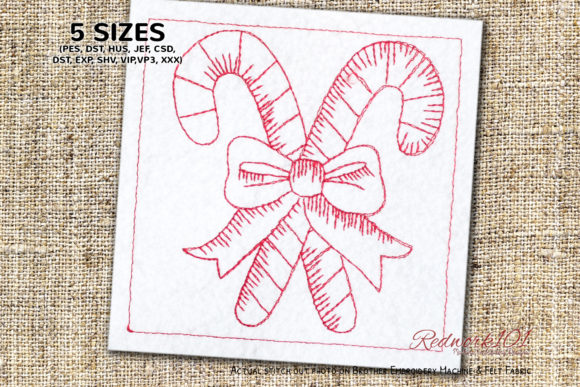
Christmas Candy Design
A Playful, Polished Embroidery Choice for Boutique Apparel
As an embroidery designer who’s developed seasonal collections for small clothing brands and Etsy sellers over the past decade, I opened Christmas Candy Design with genuine curiosity—not just “will it stitch?” but “will it elevate my sweatshirt line?” The first impression is immediate: this isn’t a cluttered holiday motif or a stiff traditional emblem. It’s cheerful without being cutesy, detailed without feeling fussy, and balanced enough to read clearly at 3–4 inches—ideal for chest placement on hoodies and oversized tees. The visual personality leans into joyful minimalism: clean outlines, intentional negative space, and a subtle rhythm in the candy shapes that suggests movement and warmth. It feels boutique-ready—neither mass-produced nor overly handmade, but confidently crafted.
How Christmas Candy Design Performs Across Real Apparel Surfaces
I tested Christmas Candy Design across six garment types we regularly use for small-batch drops: neutral heather grey sweatshirts, blush pink hoodies, charcoal denim jackets, black cotton t-shirts, natural canvas tote bags, and ribbed-knit lounge sets. On soft fleece and brushed cotton, the design held crispness beautifully—especially because the stitch density appears moderate (no heavy fill areas that sink into pile). That’s critical for sweatshirt embroidery: too dense, and you get stiffness and puckering; too light, and it reads as faint or unfinished. Christmas Candy Design lands in that sweet spot—defined edges, smooth satin stitches where needed, and breathable open areas that let fabric texture show through.
For hoodie chest placement, it scaled cleanly at 3.25”. On dark apparel, contrast was strong with standard 40-weight rayon or polyester thread—no need for underlay tricks. On pastel hoodies, I swapped to a slightly deeper rose thread for dimension, and the result felt cohesive, not jarring. Sleeve accents? Yes—scaled down to 2”, it added just enough seasonal charm without overwhelming the silhouette. As a back design on oversized crewnecks? It worked best centered and unboxed (more on that below), letting the candy shapes breathe across the shoulder blades.
The Box Stitch: Optional—but Worth Understanding
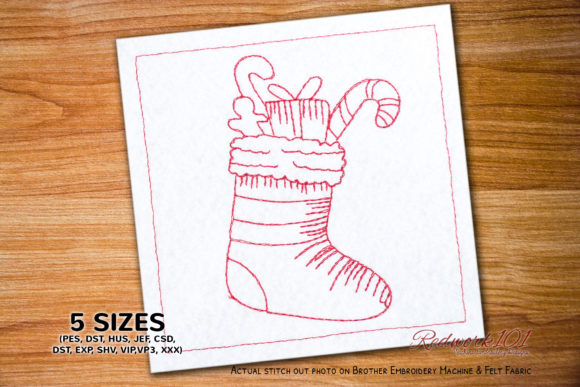
The product description notes: *“The Box Stitch shown in picture is optional. The color of outer Box is different color in most of the designs unless it is part of the design itself, you can skip the color directly in.”* This is practical intelligence—not marketing fluff. In real production, that box often functions as a framing device for mockups or social media graphics, but it’s rarely necessary on apparel. On curved surfaces like sleeves or tapered hems, skipping the outer box prevents distortion. On stretchy fabric or ribbed knits, omitting it reduces tension points and stabilizer dependency. For commercial embroidery, I recommend testing both versions on scrap fabric first—then choose based on your garment’s drape, not the preview image.
Where to Use It Thoughtfully
- Small chest placement: Ideal—its proportions suit 3”–3.75” hoops without crowding.
- Stretchy fabric: Avoid placing over high-movement seams (e.g., side seams); stabilize with medium-cutaway + tear-away combo.
- Fleece & heavy knits: Works well—just confirm hoop size fits your machine’s throat space before digitizing adjustments.
- Dark garments: High-contrast thread (e.g., white, cream, or metallic silver) pops cleanly—no backing bleed-through observed.
- Curved surfaces: Test on a rolled sleeve or collar mockup; avoid tight curves if the outer box remains enabled.
Impact Beyond Stitching: Brand, Trust, and Visual Consistency
For small shop owners and Etsy sellers, every embroidery file contributes to brand identity—not just aesthetics, but perceived value. Christmas Candy Design supports a cohesive seasonal story: think cozy, approachable, and intentionally designed—not generic or clip-art adjacent. When used across sweatshirts, totes, and denim jackets, it creates visual consistency that builds buyer trust. Customers begin recognizing your style—not just the candy motif, but how it’s spaced, balanced, and integrated. That recognition translates to repeat purchases and organic social shares. In lifestyle product photos, it photographs cleanly against textured backdrops (wood, linen, wool throws), and holds up in printable mockups without pixelation or aliasing—key for fast-turnaround Etsy listings.
Practical Designer Notes Before You Stitch
Before committing to full production, here’s what I always do—and recommend you do—with any Creative Fabrica embroidery file:
- Test on scrap fabric matching your final garment’s weight and texture.
- Confirm stabilizer choice: medium cutaway for knits, tear-away for stable wovens like denim or canvas.
- Review thread color contrast—especially if stitching on heathered or melange fabrics.
- Check hoop size compatibility—some versions may require larger hoops than your machine accommodates.
- Inspect stitch density visually in your embroidery software; look for long satin runs or tight corners that might snag on fleece.
- Test on the exact garment type you’ll sell—even two “heather grey sweatshirts” from different suppliers behave differently under needle pressure.
- Compare placement options: centered chest, left-chest, sleeve, or back—each changes how customers engage with the design.
- Verify licensing terms on Creative Fabrica before selling finished apparel—commercial use is confirmed for this embroidery file, but always double-check the latest listing details.
Ultimately, Christmas Candy Design isn’t just another holiday file—it’s a versatile, considered asset for small creative businesses building intentional collections. It bridges festive energy with wearable sophistication, and when paired with thoughtful execution, it helps turn custom apparel into memorable, shareable experiences. Whether you’re launching your first Etsy sweatshirt drop or expanding your boutique brand’s seasonal lineup, this design earns its place in your embroidery library—not because it’s trendy, but because it’s reliable, expressive, and quietly professional.