Snowy Owl Applique: A Craft Fair Standout
First Impression: Whimsical, Premium, and Instantly Recognizable
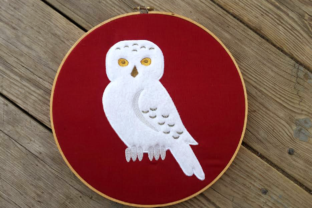
As an embroidery designer who’s prepped over 200 craft fair booths in the past decade, my gut reaction to Snowy Owl Applique is immediate: this design reads *premium* at three feet—and *magical* up close. The title alone—“magically beautiful snowy owl”—sets a tone that’s neither cutesy nor clinical. It lands right in that sweet spot between rustic charm and modern elegance, making it ideal for handmade markets where shoppers seek authenticity *and* visual polish. It feels soft but intentional, decorative without being fussy, and quietly festive year-round—not just for winter or holidays. That versatility is gold when you’re curating a cohesive booth lineup.
Where Snowy Owl Applique Shines on Real Craft Fair Products
This isn’t a one-trick design—it flexes across categories with surprising grace. On a natural linen tote bag? It anchors the front with quiet confidence—no shouting, just presence. As apron embroidery, placed just above the pocket, it adds artisanal warmth without overwhelming utility. For tea towel embroidery, its clean silhouette holds up beautifully against textured cotton—weave doesn’t swallow the detail, and the appliqué technique gives subtle dimension that catches light on a crowded market table.
As an embroidered patch, Snowy Owl Applique becomes a high-value add-on: sewn onto denim jackets, pinned to market bags, or bundled as a “maker’s gift set.” On small fabric pouches or pillow covers, it scales down elegantly—thanks to smart negative space and bold outer contours. And yes, it works on caps—but only if you use the recommended hoop size and stabilize aggressively; curved surfaces demand precision, and this design rewards careful placement over speed.
Production Reality Check: What Makes This Design Booth-Ready
Snowy Owl Applique earns serious points for clarity and intentionality. With steps separated by color changes—and explicit instructions not to color-sort—you know the designer prioritized real-world stitching flow. That means fewer thread breaks, smoother transitions, and consistent results across batch production. It’s easy to understand at a glance: no confusing underlays, no ambiguous fill directions. You can quickly assess whether it’ll work as a small accent (e.g., corner of a tea towel) or a large focal piece (centered on a pillow cover).
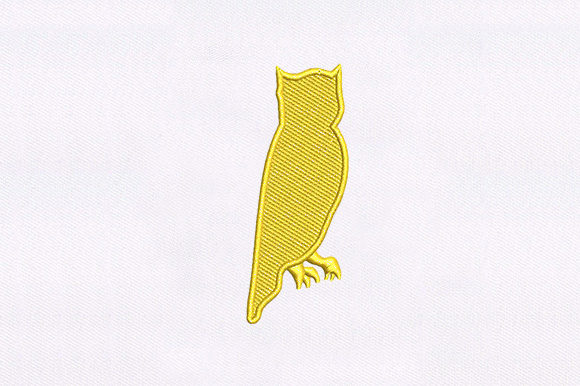
Photography? It performs exceptionally well. The contrast between the owl’s soft white body and darker wing accents creates natural depth—no heavy editing needed for Etsy listings or printable mockups. And because it’s an appliqué, it photographs with tangible texture, signaling “handmade quality” before buyers even touch it. That tactile credibility lifts perceived value across all your small shop product offerings.
Careful-Use Notes You Can’t Skip
- Dense stitch areas: Watch the owl’s eye and feather detailing—tight fills may require medium-weight cutaway stabilizer, especially on lightweight fabrics.
- Tiny details: The beak and talons are crisp but delicate. Avoid shrinking below 3.5" wide on dark or napped fabrics—clarity fades fast.
- Fabric texture matters: On heavily textured tea towels or thick canvas market bags, test stitch density first. Too much fill = stiff, lifeless results.
- Curved surfaces: Caps and pouches need basting + adhesive + hoop-compatible backing. Don’t assume standard hooping will hold.
- Dark fabric warning: Light thread colors (ivory, pale gray) may lack pop unless you add a white underlay—or switch to tonal darks for contrast.
Design Impact Beyond the Stitch: Booth Strategy & Brand Strength
In a sea of generic florals and script quotes, Snowy Owl Applique delivers instant differentiation. It invites conversation—“Is that a snowy owl? How did you get the feathers so soft?”—which means longer dwell time at your booth. It also supports brand consistency: pair it with muted earth tones, natural fibers, and minimalist packaging, and you project thoughtful craftsmanship—not trend-chasing.
Visually, it strengthens your display rhythm. Use it large on a pillow cover as an anchor, medium on aprons as mid-tier pricing, and tiny on patches as impulse buys. That tiered sizing builds perceived range without requiring ten different designs. And because it’s rooted in the Birds category—but executed with sophistication—it avoids pigeonholing (pun intended) while still attracting nature-loving buyers.
Pro Designer Notes Before You Stitch Your First Batch
- Test on scrap fabric—same weight, same dye lot, same finish as your final product.
- Check thread contrast across all included colors. Ivory on oatmeal linen? Gorgeous. But ivory on heather gray? May vanish.
- Review spacing between elements—especially around the owl’s wings. Tight margins can cause registration drift on faster machines.
- Confirm hoop size matches your most-used frame. Four hoop sizes included is generous—but don’t assume the largest fits your setup.
- Inspect stitch density in the feather layers. If fills exceed 8,000 stitches per square inch, consider lightening density for towels or pouches.
- Use the right stabilizer: cutaway for stretchy knits, tear-away for stable wovens, fusible for patches.
- Create at least one real mockup—not digital. See how light hits the appliqué in person.
- Compare fabric colors side-by-side—natural light, overhead booth lighting, phone flash. Dyes shift.
- Confirm commercial licensing before selling finished products. This is a digital embroidery file; verify usage rights for your commercial embroidery workflow.
Bottom line: Snowy Owl Applique isn’t just another machine embroidery design. It’s a considered, market-tested asset—one that elevates your craft fair product lineup, deepens buyer trust, and quietly signals that your handmade product is designed *for people*, not just pixels. Launch it right, and it won’t just sell—it’ll become a signature.