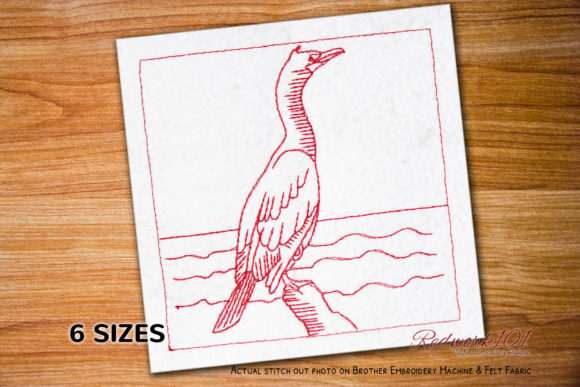
American Black Duck Bluework
First Impressions: A Quiet, Confident Charm
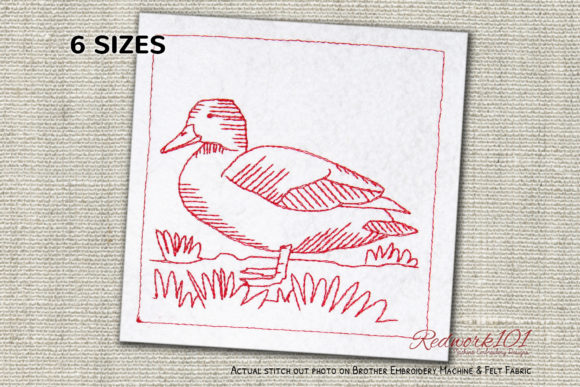
As an embroidery designer who’s tested hundreds of bird motifs for personalized gift shops, I was immediately drawn to American Black Duck Bluework—not for flash or trendiness, but for its grounded, unhurried presence. It feels like a quiet nod to nature: elegant without being fussy, detailed without feeling fragile, and distinctly hand-crafted—even as a machine embroidery design. There’s warmth in its line work and a gentle rhythm in the feather layering that reads as both classic and quietly modern. It doesn’t shout “cute” or “romantic” outright; instead, it invites pause. That makes it ideal for customers seeking meaning over motif—think new parents choosing nursery decor, couples selecting wedding keepsakes, or grandparents commissioning heirloom blankets.
Where This Design Truly Shines
American Black Duck Bluework is exceptionally versatile across personalized gift categories—especially when authenticity and subtlety matter.
- Baby embroidery: Perfect for organic cotton swaddles, muslin blankets, or linen crib sheets. Its soft scale and natural palette avoid overwhelming tiny spaces—and it photographs beautifully against neutral nursery backdrops.
- Wedding gifts: Stitched onto linen pillow covers or monogrammed kitchen towels, it adds rustic elegance without cliché. Paired with a couple’s initials or wedding date, it becomes a quiet story—not just decoration.
- Nursery & home textiles: Works equally well on embroidered towels, aprons, and tote bags. The duck’s silhouette holds up at medium sizes (3.5–4.5 inches), making it ideal for towel corners, pillow centers, or tote front panels.
- Etsy & craft fair products: As a digital embroidery file, it stands out in search results for “bird embroidery,” “nature-inspired gift,” or “personalized baby shower present.” Its Birds category alignment helps with platform visibility—especially when tagged thoughtfully.
Smart Placement: What to Consider Before Stitching
This isn’t a one-size-fits-all motif. To preserve its integrity—and your reputation as a thoughtful maker—pay close attention to context:
- Fabric texture matters. On thick terry cloth towels or heavy canvas totes, reduce stitch density slightly (if your software allows) or add extra tear-away stabilizer. Dense stitching can flatten the duck’s subtle feather definition.
- Avoid stretchy or ultra-thin fabrics. Baby onesies or jersey knit blankets demand precise hooping and cutaway stabilizer—but even then, fine details (like wing tip separation) may blur. Stick to stable weaves for best results.
- Curved surfaces need testing. If embroidering on a curved mug sleeve or rounded pillow cover, do a test run on scrap fabric stretched over the same curve. Distortion near the beak or tail is easy to miss until it’s stitched.
- Dark fabric? Check contrast. The bluework aesthetic relies on tonal variation. On charcoal or navy backgrounds, verify thread colors deliver enough distinction—especially in low-light settings like nurseries or kitchens.
- Washability warning. For items meant for frequent laundering (baby bibs, kitchen towels), confirm all thread colors are colorfast and stabilize appropriately. High-density satin areas can wear faster if not secured properly.
Why Customers Trust This Design—Before They Even See the Finished Product
In handmade markets, perceived value lives in intentionality—and American Black Duck Bluework signals care. Its restrained detail suggests craftsmanship, not automation. When photographed on a folded linen towel or stitched beside a handwritten note on an Etsy listing, it deepens emotional connection: this isn’t mass-produced clip art; it’s a considered choice for someone who values nature, legacy, or quiet beauty.
That translates directly to buyer engagement. Customers linger longer on listings featuring this design—they imagine gifting it, naming it, passing it down. It performs especially well in “printable mockup” previews because its composition leaves breathing room for personalization (e.g., a baby’s name in delicate script beneath the duck). And for small shop owners building trust through consistency, using American Black Duck Bluework across multiple product types (pillow covers, blankets, totes) creates a cohesive, recognizable brand language.
Practical Embroidery Notes You’ll Want to Follow
Before stitching your first customer order, take these five steps:
- Test on scrap fabric—using the exact material, stabilizer, and hoop size you’ll use for production. Note how feathers hold shape after trimming and washing.
- Compare thread color contrast on both light and dark fabric swatches. Adjust if needed—the outer box stitch (optional per the description) can anchor contrast if the main motif feels too subtle.
- Confirm hoop size compatibility. While not specified, most bird designs of this scale fit standard 4x4 or 5x7 hoops. Measure the design dimensions before digitizing or importing.
- Review stitch density visually. Overly dense fills can overwhelm delicate features; overly sparse ones lose definition. Zoom in on wing and head areas in your embroidery software preview.
- Verify commercial licensing. Since you’re selling finished products—not just the file—ensure your purchase includes rights for physical resale. When in doubt, contact the designer or marketplace before listing.
A Final Thought for Makers
American Black Duck Bluework won’t dominate a shelf or trend feed—but it will earn repeat customers, heartfelt thank-you notes, and quiet pride in your work. It’s the kind of embroidery file that reminds us why we stitch: to mark moments with meaning, not just fill space. Whether you’re an Etsy seller curating a nature-themed collection, a baby product creator building heirloom-quality lines, or a wedding gift designer helping couples tell their story, this design belongs in your working library. Just remember: its strength lies in restraint. Let the duck breathe. Let the stitch quality speak. And always—always—test before you trust.