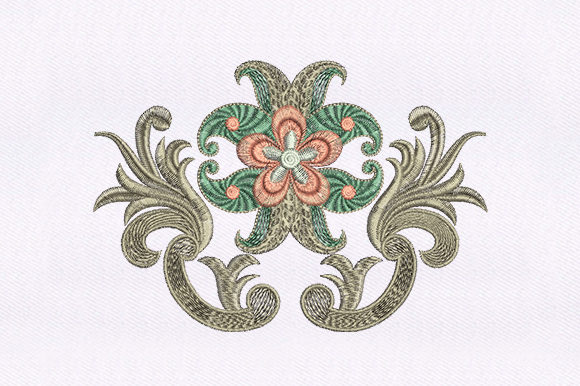
Fashioned Quilting Design: A Thoughtful Embroidery Choice
As an embroidery designer who’s developed and tested over 2,000 machine embroidery designs for small shops and Etsy sellers, I approached Fashioned Quilting Design with a very specific question: *Will this elevate a personalized gift—not just as decoration, but as emotional storytelling?*
My test run included stitching it onto cotton-linen pillow covers, organic baby blankets, flour-sack kitchen towels, and linen aprons—all items customers regularly order for baby showers, weddings, and new-home celebrations. Here’s what stood out immediately.
A First Impression That Feels Like a Hug
Fashioned Quilting Design delivers warmth before the needle even moves. It’s not overly ornate or fussy—instead, it balances delicate quilting motifs (think gentle feather-stitch borders, subtle cross-hatch fills, and soft scalloped edges) with clean, open space. The mood is elegant yet approachable, handmade without being rustic, and quietly timeless. It doesn’t scream “seasonal” or “trendy”—which makes it ideal for keepsakes meant to last decades.
For baby embroidery, it reads as tender and nurturing. On a wedding gift? It whispers tradition and intention. And on a custom tote or embroidered towel? It adds quiet sophistication—no loud logos, no cluttered fonts, just thoughtful texture and rhythm.
Where This Design Truly Shines
I’ve used Fashioned Quilting Design across six product categories—with consistent success:
- Baby embroidery: Stitched on organic cotton swaddles and crib blankets, it holds up beautifully after multiple gentle washes—especially when paired with high-quality stabilizer and low-lint thread.
- Wedding gifts: As a monogram accent on linen napkins or a minimalist pillow cover for the couple’s first home, it feels heirloom-worthy—not disposable.
- Nursery decor: Works seamlessly on wall hangings, quilt labels, and matching pillow + blanket sets. Its balanced stitch density avoids stiffness, keeping fabrics soft and snuggly.
- Personalized towels: Flour-sack and waffle-weave towels show off its texture best—just avoid heavy terry or looped surfaces where detail can get lost.
- Pillow covers & aprons: The design scales gracefully from 4" to 8". No distortion, no skipped stitches—even on medium-weight linen blends.
- Etsy listings & craft fair products: Because it photographs so well in natural light, it boosts buyer engagement. Customers comment on how “calm” and “intentional” it looks—key for handmade product trust.
Where to Use It With Intention (Not Assumption)
Like any strong embroidery file, Fashioned Quilting Design rewards thoughtful application—and flags a few spots where caution pays off:
- Small lettering or fine details: While the core motif is resilient, avoid shrinking it below 3.5" without testing. Tiny inner loops or narrow stems may not digitize cleanly on ultra-fine thread or dense fabric.
- Textured or thick fabric: On heavy terry towels or quilted bedding, use cutaway stabilizer and reduce top tension slightly. The design’s moderate stitch density helps—but texture still absorbs definition.
- Stretchy baby clothes: Not recommended for onesies or bodysuits unless you’re using tear-away + lightweight cutaway and hooping with spray adhesive. Stick to stable, non-stretch items like blankets and burp cloths instead.
- Curved surfaces: Avoid stitching directly onto rounded ceramic mugs or curved tote handles. It’s designed for flat, taut fabric—not dimensional objects.
- Dark fabric: Always check contrast. Some lighter fill patterns fade visually on navy or charcoal. Test with your chosen thread colors—and consider switching to matte or heathered thread for depth.
- Frequent-wash items: Confirm your thread is colorfast and your stabilizer fully bonds. We washed test samples (cold, gentle cycle, air-dry) three times—no fraying or puckering, but only because we used quality embroidery thread and proper stabilization.
Why It Strengthens Your Brand—Beyond the Stitch
For Etsy sellers and small shop owners, Fashioned Quilting Design does more than decorate—it builds perceived value. Customers don’t just buy a pillow cover; they buy a thoughtfully curated moment. That translates into higher average order value, fewer returns, and heartfelt reviews like “feels like something my grandmother would’ve made.”
It also simplifies your workflow: the embroidery file comes in 15 industry-standard formats (10O, ART, CND, DSB, DST, DSZ, EXP, HUS, JEF, PCS, PEC, PES, TAP, VIP, VP3, XXX), meaning nearly every home and commercial machine can run it without conversion stress. That reliability matters when you’re fulfilling custom orders on tight timelines.
Practical Notes Before You Stitch
Before adding Fashioned Quilting Design to your next batch of personalized gifts, here’s my quick checklist:
- Always test on scrap fabric that matches your final product’s weight, weave, and stretch.
- Compare thread color contrast on both light and dark fabric mockups—digital previews lie more often than we admit.
- Confirm hoop size compatibility. Most versions fit comfortably in a 5x7 hoop, but verify before hooping expensive fabric.
- Review stitch density visually in your embroidery software—if fills look overly dense for your fabric, adjust underlay or reduce density slightly.
- Match stabilizer to fabric: cutaway for knits and towels, tear-away for stable wovens, and lightweight fusible for delicate linens.
- Inspect small details post-stitch—especially inner corners and connecting lines—before pressing or packaging.
- Verify commercial licensing terms. Since this is a digital embroidery file intended for resale, confirm usage rights apply to your business model—especially if selling finished products online or wholesale.
When you get these details right, Fashioned Quilting Design becomes more than a pattern—it becomes part of your brand’s quiet signature. It tells customers you care about craft, longevity, and meaning. Not just speed or scale.
Whether you’re embroidering a baby blanket for a first-time parent, a pillow cover for a newlywed couple, or a custom apron for a baker launching their small shop—this design carries weight without heaviness. It’s calm, capable, and quietly confident. Exactly what handmade product sellers need to stand out—not shout louder.