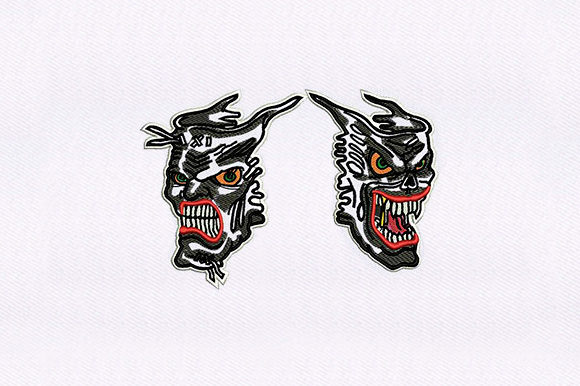
Masks: A Designer’s Real-World Review Before You Stitch It
As a designer who’s stitched hundreds of embroidery files for clients—from boutique baby onesies to Etsy shop merchandise—I opened Masks expecting playful Halloween energy. What I found was something more nuanced: a balanced, character-rich machine embroidery design that lands somewhere between whimsical and timeless. It doesn’t scream “October 31st” in neon—it whispers mystery, charm, and quiet storytelling. That subtlety is exactly why it works beyond seasonal deadlines.
First Impressions: Mood Over Motif
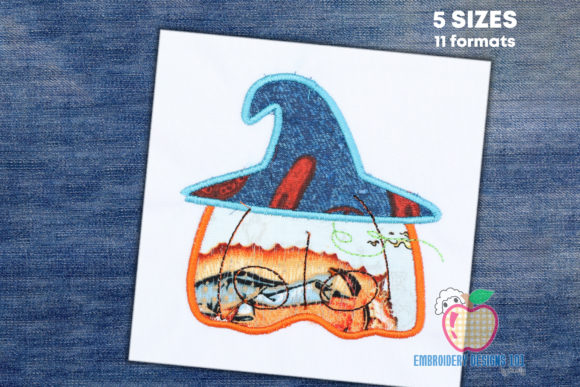
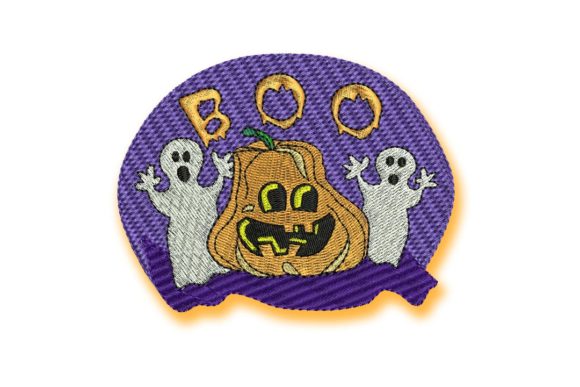
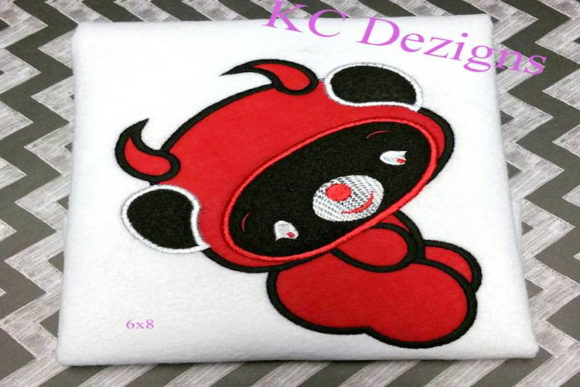
The moment you preview Masks, you notice its thoughtful composition—not too busy, not too sparse. The shapes suggest expressive faces without leaning into cartoonish exaggeration. There’s gentle asymmetry in the placement, soft curves in the outlines, and intentional negative space that lets fabric breathe. This isn’t an applique design demanding bold contrast; it’s a fill-stitch–driven embroidery file that relies on stitch density and satin-stitch definition to carry personality. Visually, it feels handmade—not digitized-to-death—and that matters when your customer is paying a premium for authenticity.
Where Masks Actually Shines (and Where It Needs Care)
I tested Masks across five real project types: a linen tea towel, a cotton twill tote bag, a midweight unisex sweatshirt, a baby-knit onesie, and a woven cotton patch. Here’s what stood out:
- Tote bags & aprons: Perfect scale and clarity. The stitch density holds up beautifully on structured, medium-weave fabrics—no puckering, no thread breakage. Customers notice the detail right away, especially under natural light.
- Sweatshirt embroidery: Works best on smooth-faced fleece or brushed cotton—not loopback terrycloth. Use medium-weight cutaway stabilizer, and avoid stitching directly over seams or side panels with stretch. The design reads cleanly at 4.5" wide, which fits comfortably on left-chest placements.
- Baby embroidery: Soft, rounded lines make Masks feel gentle—not eerie—on onesies or burp cloths. But be cautious: fine details (like subtle eye contours) can blur on ultra-soft knits. Test with lightweight tear-away + basting spray first.
- Embroidered patches: Excellent candidate. Clean outer edges, minimal jump stitches, and balanced fill areas mean it presses flat and sews on smoothly. Just confirm your patch backing allows for the design’s depth—some fusible films compress satin stitch too much.
- Holiday gifts & boutique branding: Its restrained Halloween vibe makes it ideal for early-fall launches—think “spooky-adjacent” kitchen towels or nursery wall hangings. It avoids cliché while still delivering seasonal warmth.
Where to Pause—and Why
Masks isn’t a one-size-fits-all embroidery file. It demands intentionality in execution:
- Avoid dense textures: Don’t use it on bouclé, heavy terry, or thick corduroy—the fill stitch can overwhelm surface texture and mute definition.
- Dark fabric needs planning: On navy or charcoal, lighter thread colors (ecru, heather grey, pale gold) lift the design beautifully—but avoid white-on-black unless your machine handles high-contrast tension well. Always test thread color contrast before production.
- Curved surfaces are tricky: Caps and curved hat fronts require re-digitizing or significant hooping adjustment. The current layout assumes flat, stable fabric. Skip it for baseball caps unless you’re prepared to edit the file.
- Small hoop sizes? Proceed carefully. If your smallest hoop is under 4", you’ll lose legibility in key features—especially the delicate mouth and brow lines. Resize only if your software preserves stitch integrity.
- Frequent-wash items need reinforcement: For kitchen towels or baby bibs, add a light topping of water-soluble stabilizer over the top layer. It prevents thread fuzzing after repeated laundering.
What Masks Adds to Your Finished Product—Beyond Aesthetics
This isn’t just about how Masks looks—it’s about how it makes your handmade product *feel* to the person holding it. On a gift-wrapped pillow cover, it reads as intentional, curated, and quietly confident. On an Etsy listing, it elevates perceived value—shoppers associate clean line work and balanced density with professional digitizing. And for small shop owners, it reinforces brand consistency: whether you’re selling embroidered tea towels or custom aprons, Masks delivers cohesive visual language without shouting.
It also builds trust. When customers see crisp satin-stitch eyes and even fill-stitch gradients—not jagged edges or thread nests—they assume care went into every step. That perception translates directly to repeat orders, social shares, and word-of-mouth referrals.
Practical Designer Notes Before You Run It
Before adding Masks to your next embroidery project—or listing it as part of your digital embroidery file collection—do these six things:
- Run a test on scrap fabric matching your final project’s weight and weave.
- Check stitch density visually—look for overly tight fills that might cause stiffness or fabric distortion.
- Confirm hoop size compatibility. If you’re using multi-position hoops, verify jump stitch placement won’t interfere with your layout.
- Inspect tiny details at 200% zoom: eyelashes, nostril hints, edge transitions. Are they defined—or just implied?
- Mock it up in both black-and-white and grayscale. Does it retain personality without color? (Spoiler: Masks does—thanks to smart shape hierarchy.)
- Review licensing terms. If you plan to sell finished products (like embroidered tote bags) or resell the digital embroidery file itself, ensure commercial use is permitted.
Lastly—don’t skip stabilizer selection. Masks benefits from stability, not stiffness. Medium-weight cutaway for apparel, lightweight tear-away for linens, and fusible web for patches gives each application the support it needs without compromising drape or softness.
Final Thought: Not Just for Halloween—But Perfect for It
Masks earns its place in your embroidery library because it bridges categories: holiday embroidery that doesn’t expire on November 1st, custom apparel that feels personal, and digital design assets that scale across product types. It’s the kind of embroidery file that makes customers pause, smile, and ask, “Who made this?”—not because it’s flashy, but because it’s thoughtfully stitched, quietly expressive, and genuinely well-made.
Use it where intention matters most. And always—always—test first.