Adorable Tractor Baby Bib for Small Hoops
First Impressions: Sweet, Playful, and Thoughtfully Sized
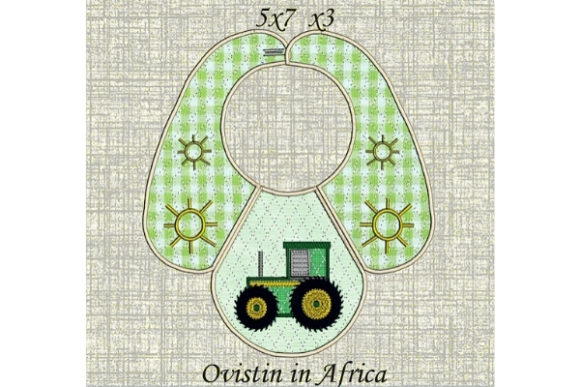
Unzipping the Adorable Tractor Baby Bib for Small Hoops file feels like opening a tiny gift box—there’s an immediate warmth to it. The design radiates gentle playfulness: a rounded, friendly tractor with soft curves, subtle shading, and just enough detail to feel hand-drawn—not overly technical, not too minimal. It leans into sweet nostalgia without tipping into kitsch, making it ideal for nursery-themed personalized gifts that parents want to display, not just use. This isn’t a bold statement piece; it’s a quiet whisper of care—ideal for handmade product creators who value emotional resonance over flash.
Where This Design Truly Shines
The Adorable Tractor Baby Bib for Small Hoops isn’t just for bibs. Its compact scale and cheerful charm translate beautifully across multiple personalized gift categories:
- Baby embroidery: Perfect for onesies, burp cloths, or quilt blocks—especially when paired with coordinating thread colors like sage green, buttery yellow, and creamy white.
- Wedding gifts: Stitch it onto linen napkins or cotton kitchen towels for farm-to-table weddings or rustic bridal showers. It adds handmade sincerity without overwhelming elegance.
- Nursery decor: Embroidered on pillow covers, wall hangings, or framed hoop art, it brings cohesive, gender-neutral charm to baby rooms.
- Etsy seller staples: As a digital embroidery file, it’s lightweight to deliver, quick to stitch, and highly photogenic—ideal for bundling with matching onesie + bib sets or printable mockups.
- Small shop products: Works well on aprons for baby shower caterers, custom tote bags for new moms, or even blanket embroidery accents near the corner hem.
Smart Placement Matters—Here’s Where to Pause
While versatile, this machine embroidery design has natural boundaries. Use extra care when applying it to:
- Textured fabric: Heavy terry cloth or thick woven towels may obscure delicate tractor details—opt for smoother cotton or linen blends instead.
- Stretchy baby clothes: The design wasn’t digitized for knit fabrics. If stitching on stretchy onesies, use cutaway stabilizer and test tension first.
- Curved surfaces: Avoid placing it near seams or hems where puckering can distort the tractor’s shape—centered on flat panels works best.
- Dark fabric: The original digitizing assumes light-to-medium backgrounds. On navy or charcoal, verify thread color contrast—lighter yellows or creams may need upgrading to metallic or high-sheen threads.
- Frequent-wash items: Since it’s designed for baby use, stitch density appears moderate—but always reinforce with quality stabilizer to preserve crispness after repeated laundering.
Why It Builds Trust—and Sales—for Handmade Sellers
Customers don’t just buy embroidery—they buy intention. The Adorable Tractor Baby Bib for Small Hoops reads as lovingly crafted, not mass-produced. That perception lifts perceived value instantly. When photographed on a folded muslin blanket or stitched beside a handwritten tag (“Made for Baby James, April 2024”), it deepens emotional connection. For Etsy sellers and small shop owners, that translates to higher conversion rates, better reviews (“so much more thoughtful than store-bought!”), and repeat orders from gift-givers who remember how special the last item felt.
It also simplifies your workflow: because it’s built for small hoop machines, you’re not wrestling with repositioning or complex alignment. That reliability builds customer trust behind the scenes—you ship faster, fewer errors occur, and your brand feels consistently polished.
Practical Embroidery Notes You’ll Want to Follow
Before stitching your first customer order, treat this digital embroidery file like a trusted collaborator—not just a download. Here’s how seasoned designers approach it:
- Test on scrap fabric—same type and weight as your final product—to catch skipped stitches or thread breaks early.
- Confirm hoop size compatibility. Since it’s digitized for small hoop machines and split into 3 parts, double-check your machine’s max hoop dimensions and alignment method.
- Review stitch density visually in your embroidery software—if fill areas look overly dense, consider reducing underlay or adjusting density settings for softer fabrics.
- Use appropriate stabilizer: Tear-away for stable wovens, cutaway for knits or high-wear items like towels.
- Compare light and dark fabric mockups side-by-side before listing—subtle color shifts affect buyer expectations.
- Check small details post-stitch: Wheels, window outlines, and tractor contours should remain distinct—not fuzzy or lost in thread buildup.
- Verify commercial licensing before selling finished products. This is essential for Etsy sellers, craft fair vendors, and baby product creators building scalable handmade businesses.
A Final Thought for Personalized Gift Makers
The Adorable Tractor Baby Bib for Small Hoops doesn’t shout—it invites. It fits seamlessly into quiet moments: a new parent unfolding a towel embroidered with this little tractor, a grandparent tracing its outline with a fingertip, a wedding guest smiling at its charm on a linen napkin. That quiet power is rare in digital embroidery files. When chosen intentionally—with attention to fabric, stabilizer, thread colors, and real-world wear—it becomes more than decoration. It becomes memory-making infrastructure.
For embroidery makers building meaningful brands, for Etsy sellers curating heartfelt collections, for baby product creators designing heirloom-quality goods—this machine embroidery design earns its place in your go-to folder. Not because it’s flashy, but because it’s faithful: faithful to craft, to care, and to the simple joy of making something truly personal.